Key takeaways
How much does tree removal cost in Mobile, AL?
The typical tree removal cost in Mobile, AL is about $450 to $1,500 per tree in 2026. A small tree in an open yard can come in under $400. A tall pine or a spreading live oak that hangs over a roof can run $2,000 to $3,500 or more.
These figures are typical estimates for Mobile County and the Eastern Shore. They are not quotes. We built them from national cost guides published in 2025 and 2026, then adjusted for the kinds of trees and yards we see on the Gulf Coast.
For context, national guides put the average removal at about $435 (Fixr), $630 (LawnStarter) and $850 (Lawn Love), with most jobs landing between roughly $385 and $1,100. Our local ranges have a wider top end for a simple reason: many Mobile removals involve 80-foot pines or heavy live oak limbs sitting right over a house.
Tree removal prices by height
Height is the quickest way to ballpark a price. Taller trees need more climbing, more rigging and more cleanup. National guides often quote about $9.50 to $14.50 per foot of height for a simple removal, before hazards and extras.
| Tree height | Common Mobile examples | Typical 2026 estimate |
|---|---|---|
| Small (under 30 ft) | Crape myrtle, wax myrtle, young magnolia, small palms | $200 – $600 |
| Medium (30–60 ft) | Water oak, sweetgum, Bradford pear, younger pines | $450 – $1,200 |
| Large (60–80 ft) | Mature loblolly pine, laurel oak, large magnolia | $900 – $2,000 |
| Very large (80 ft+) | Old pines, big live oaks, trees needing a crane | $1,500 – $3,500+ |
What does it cost to remove a 30 ft tree?
A 30-foot tree with easy access typically costs about $300 to $700 to remove in the Mobile area. That sits right on the line between small and medium. If it leans over a roof or fence, or if it is dead and brittle, expect the upper end or a bit more.
Why two trees of the same height can cost very different amounts
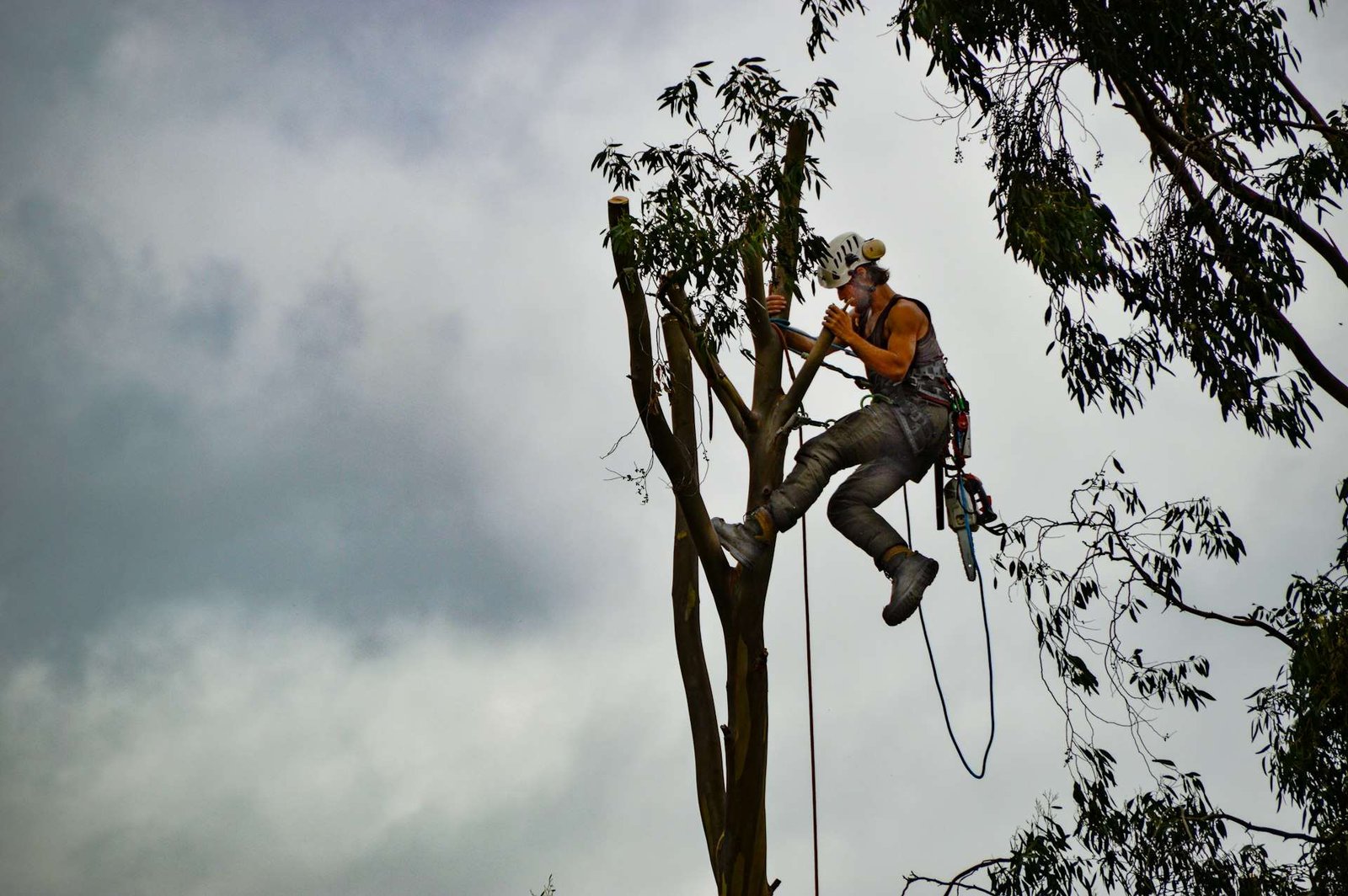
Height sets the baseline, but the drop zone decides the final price. A 60-foot pine in an open field in Semmes may be felled in one piece. The same pine next to a house in Midtown has to be climbed, cut in small sections and lowered on ropes. That second job can easily cost twice as much.
Average cost to cut down a tree by species
Species matters because of wood weight, canopy shape and how a tree tends to break. Here is how the trees we remove most often in Mobile County usually compare.
| Tree | Typical size in Mobile yards | Typical 2026 estimate | What affects the price |
|---|---|---|---|
| Pine (loblolly, longleaf, slash) | 60–100 ft tall | $400 – $1,500 (more over structures) | Tall, straight trunks; beetle-killed pines are brittle and harder to climb safely |
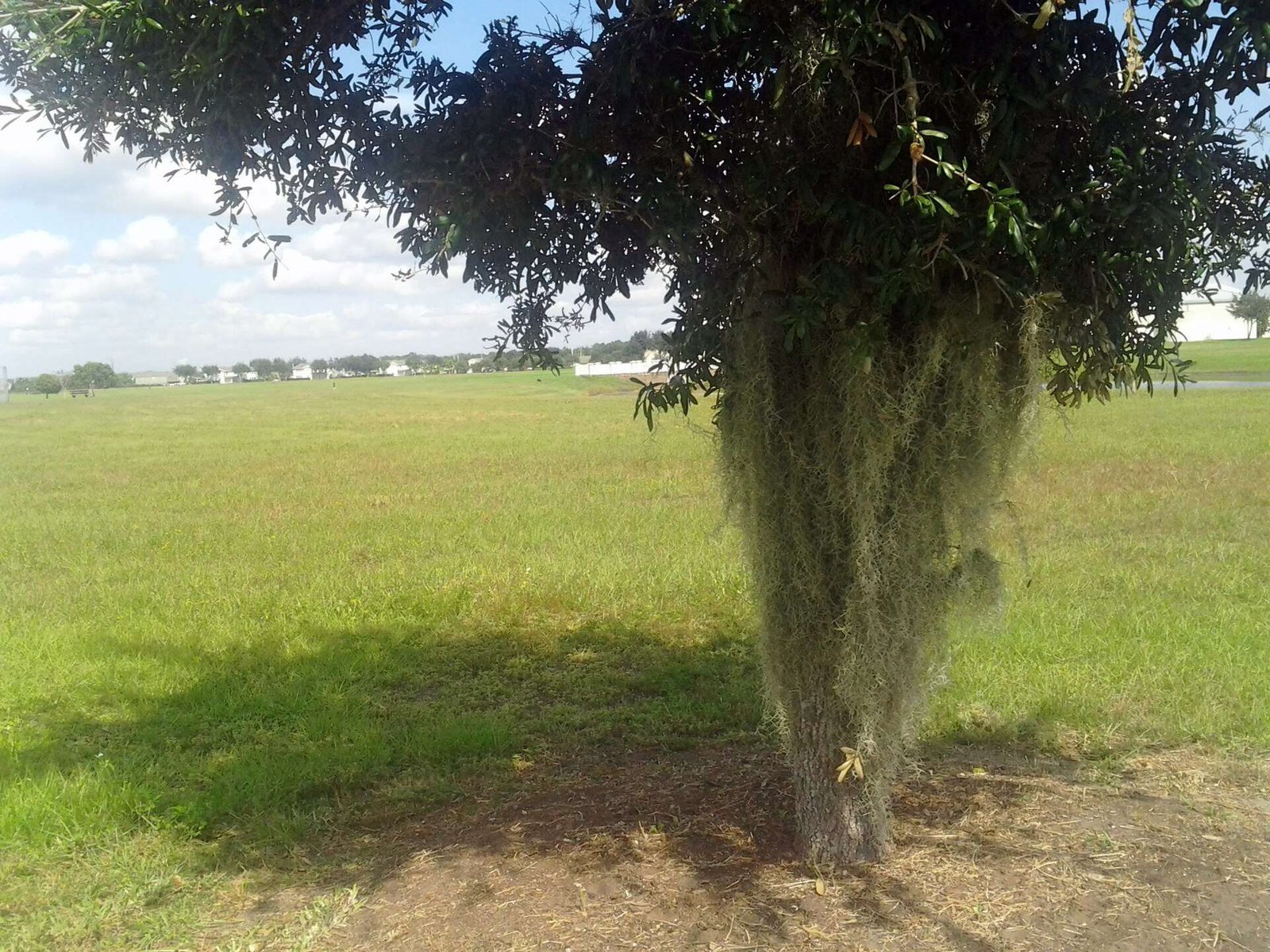
| Live oak | 40–80 ft tall, often wider than tall | $1,000 – $3,500+ | Very heavy wood, long horizontal limbs, lots of rigging; a permit may be needed |
| Water oak and laurel oak | 50–80 ft tall | $600 – $2,000 | Older trees are often hollow or decayed, so limbs must be lowered carefully |
| Palm (sabal, Washington, queen) | 20–50 ft tall | $250 – $1,000 | Single trunk and light wood; tall palms need a climber or lift |
| Magnolia and sweetgum | 40–80 ft tall | $500 – $1,800 | Dense canopy and lots of brush to chip and haul |
National guides show similar patterns. For example, Fixr lists oak removal at roughly $900 to $2,000 and palm removal at about $250 to $1,200. If you have a big pine to deal with, our guide to pine tree removal in Mobile covers pine beetles and lean in more detail.
Common add-ons and extra charges
Add-ons are where quotes differ the most, so ask about each one. Some companies include clean-up and haul-away in the base price, and others list them separately.
| Add-on | Typical 2026 estimate | Notes |
|---|---|---|
| Stump grinding | $100 – $500 per stump | Price depends on diameter and access. Several stumps at once usually cost less each. |
| Haul-away of logs and brush | Often included; $50 – $200 if priced separately | Ask whether logs are hauled or left in rounds. |
| Crane-assisted removal | Often $1,500 to several thousand dollars total | Used when a tree can’t be climbed safely or there’s no room to lower pieces. |
| Emergency or after-hours storm work | $450 – $3,000+ | Trees on roofs or tangled in lines take longer and carry more risk. |
| Tree already on the ground (not on anything) | About $100 – $400 | Less climbing, but large trunks still take time to cut and haul. |
| City of Mobile tree permit (only when required) | $75 per tree, capped at $225 for residential property | Mainly for right-of-way trees and some protected trees. |
Stump grinding
Stump grinding is almost always a separate line item. We grind below grade so you can re-sod or plant. If you want the whole stump and main roots pulled out instead, that is a bigger, pricier job. Our stump grinding service in Mobile page explains the options.
Cranes
A crane is not a luxury add-on. It is often the safest way to remove a dead pine or a huge oak that is too weak to climb, or one that sits between two houses. The crane cost is partly offset because the job finishes faster. Learn more about crane tree removal.
Permits
Most trees on developed residential lots inside the City of Mobile do not need a permit if they are outside historic districts and off the public right-of-way. Right-of-way trees always need one, and historic districts have stricter rules. The City lists the fee as $75 per tree, capped at $225 for residential property. Read our tree removal permit guide for Mobile before you schedule work.
What a tree removal price usually includes
A fair quote covers the whole job, not just the cutting. When you compare prices, make sure you know which of these are in the number you’re looking at.
- Taking the tree down safely, whether it’s felled whole or climbed and lowered in sections.
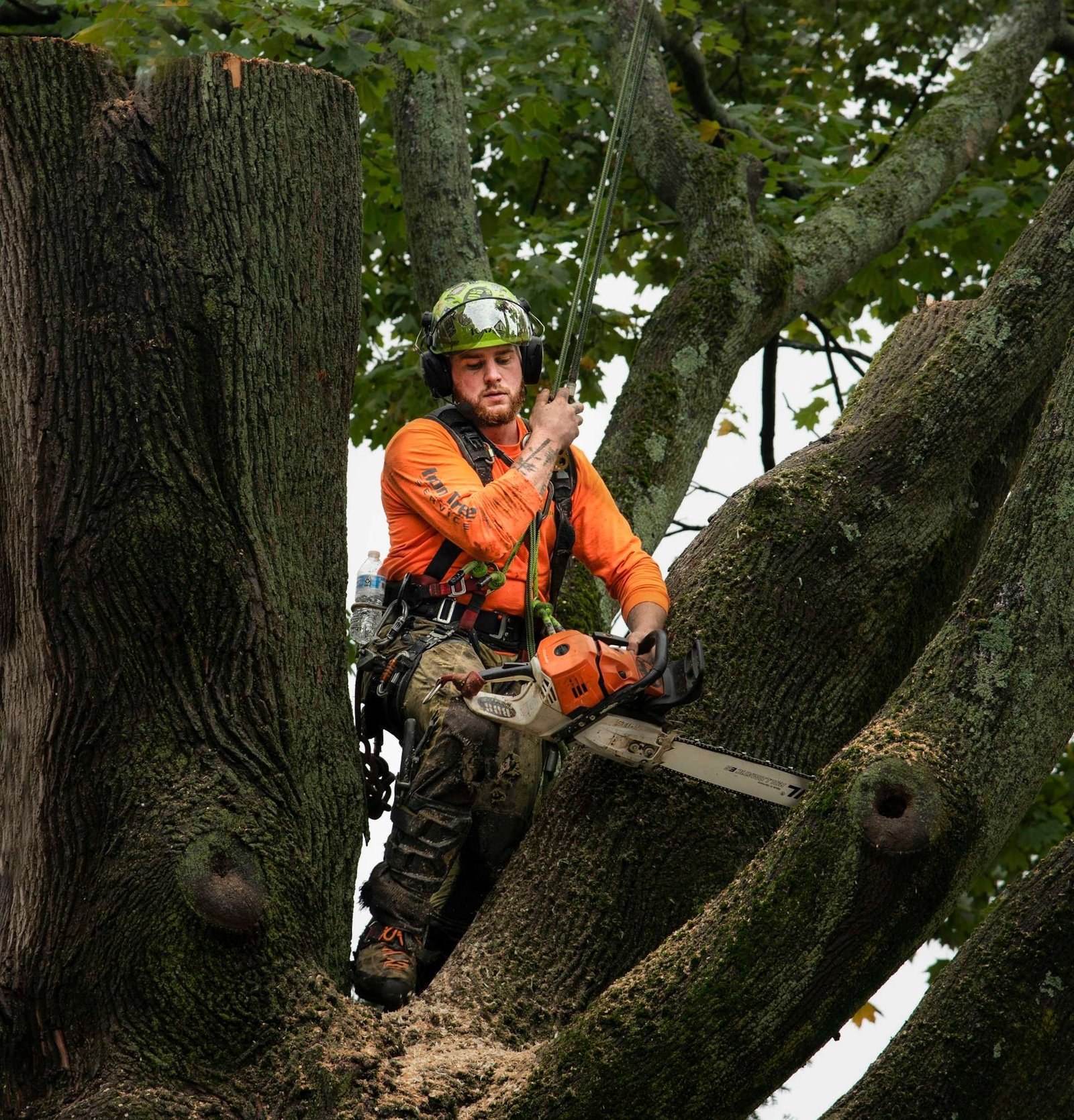
- Protecting your property with rigging, ropes and, where needed, ground mats for soft lawns.
- Chipping the brush and cutting the trunk into manageable pieces.
- Clean-up and haul-away of logs, limbs and debris, unless you ask to keep the wood.
- Raking and blowing the work area so the yard is left tidy.
What’s usually not in the base price: stump grinding, removing large surface roots, crane time and permit fees. Some companies also charge extra for splitting firewood or leaving logs cut to length. None of these are bad add-ons. They just need to be written down so you’re comparing apples to apples.
What drives the price of tree removal
Most of your price comes down to how much time, equipment and risk the job involves. Here are the biggest factors, roughly in order of impact.
- Size. Height and trunk diameter decide how much wood has to come down and be hauled away.
- What’s underneath. Roofs, pools, fences, sheds and power lines mean more rigging and slower, smaller cuts.
- Access. Can a truck, chipper or lift reach the tree? A backyard with a narrow gate means more hand-carrying.
- Tree condition. Dead or storm-cracked trees are less predictable. Pines killed by pine bark beetles dry out fast and can snap, so a lift or crane may be needed instead of climbing.
- Ground conditions. Heavy summer rain on sandy or clay soils can make lawns too soft for equipment. We may need mats to protect your yard.
- Number of trees. Setup and travel are spread out when several trees come down in one visit.
- Timing. Right after a hurricane, storm work takes priority and prices for emergency jobs go up.
Power lines deserve a special note. If a tree touches a service line or a main line, the utility may need to make it safe first. Never let anyone who is not qualified cut near energized lines.
How to save money on tree removal
You can often lower your bill without cutting corners on safety.
- Bundle the work. Remove several trees, or add stump grinding, in one visit.
- Plan ahead of hurricane season. Hurricane season runs June 1 to November 30. Booking in late fall, winter or early spring usually means more scheduling options.
- Deal with problem trees early. A dying tree only gets more brittle and more dangerous to climb. Removal costs often go up once a tree is dead.
- Consider pruning instead. Sometimes a crown reduction or removing one bad limb solves the problem. Our tree trimming service follows ANSI A300 pruning standards.
- Keep the wood or chips. If you want firewood or mulch, some crews will leave them, which cuts hauling time.
- Clear the way. Move cars, open gates and relocate patio furniture before the crew arrives.
Avoid the temptation to take down a large tree yourself. Felling a big tree is dangerous work, and one mistake near a house can cost far more than a professional removal.
How to compare tree removal quotes
Get at least two or three written estimates and compare them line by line. The lowest number is not a bargain if it leaves out the stump, the clean-up or the insurance.
Check that each quote spells out:
- Scope: which trees, and whether they come down whole or in sections.
- Stump: ground or left, and how deep.
- Clean-up: whether logs, brush and sawdust are hauled away or left on site.
- Insurance: proof of general liability and workers’ compensation coverage, ideally a certificate sent straight from the insurer.
- Permits: who checks and pulls any City of Mobile permit.
- Equipment: whether a crane, lift or ground mats are needed, and whether they’re priced in.
- Payment terms: when you pay, and how much, if any, is due up front.
Red flags to watch for
Most problems come from hiring someone who can’t prove insurance. If an uninsured worker gets hurt or drops a limb on your neighbor’s car, you could be left dealing with the fallout.
Be cautious if a contractor:
- Knocks on doors right after a storm, has no local address and pushes you to sign “today only.”
- Wants cash only, or a large deposit before any work starts.
- Can’t or won’t provide an insurance certificate.
- Suggests “topping” a healthy tree. Topping weakens trees and is not an accepted pruning practice.
- Uses climbing spikes on a tree you want to keep. Spikes wound the bark and belong only on removals.
- Asks you to sign paperwork about your insurance claim before you’ve read it or talked to your insurer.
After a hurricane, storm chasers flood the Gulf Coast. Take a breath, check reviews and insurance, and get the price in writing.
Will homeowners insurance pay for tree removal?
Sometimes. Insurance usually helps when a covered peril, such as wind, knocks a tree onto a covered structure like your house, garage or fence. The Insurance Information Institute says removal coverage in those cases generally runs about $500 to $1,000, depending on the insurer and policy.
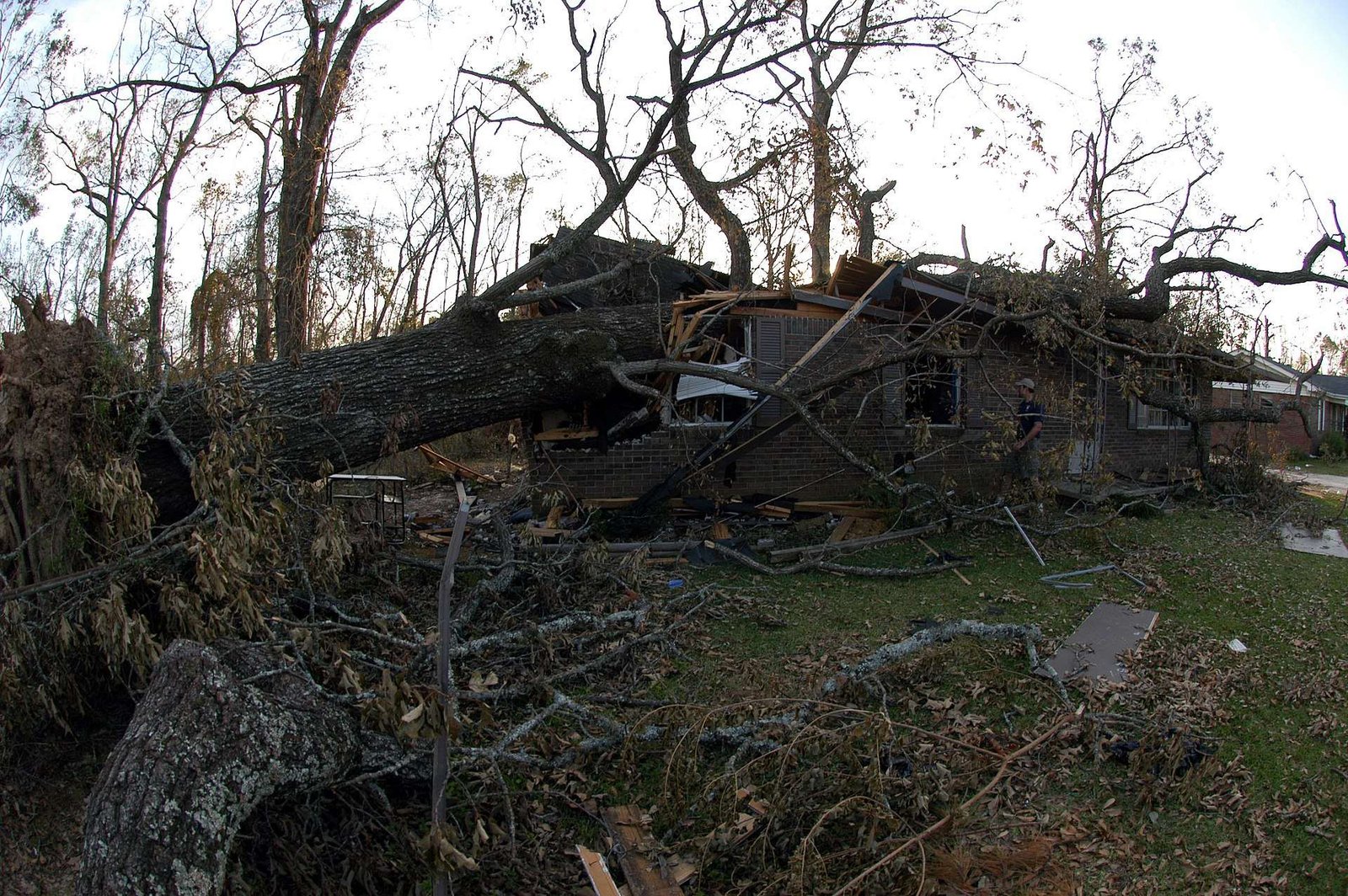
Insurance usually does not pay to remove a healthy tree, a dead tree that hasn’t fallen, or a tree that fell without hitting anything. Our full guide on what to do when a tree falls on your house explains deductibles and how to document a claim.
Getting an accurate price for your tree
The only way to get a firm number is to have someone look at the tree, the drop zone and the access. We give free written estimates, and our insured local crews include clean-up and haul-away unless you tell us otherwise.
If a tree is already on your house, send an urgent request through our 24/7 emergency request line. Otherwise, request an estimate for tree removal in Mobile and we’ll walk the property with you, explain every line of the quote and take photos if you need them for insurance.
How we write our guides