Key takeaways
Do you need a permit to remove a tree in Mobile?
Whether you need a tree removal permit in Mobile, AL depends on where the tree is, not just how big it is. Any tree in the City’s public right-of-way needs a permit. A tree on your own developed home lot, outside a historic district, generally does not.
The rules come from the City of Mobile’s tree protection ordinance and are handled by the City’s Urban Forestry department and the Mobile Tree Commission. They apply to trimming as well as removal. That surprises a lot of homeowners.
This guide covers property inside Mobile city limits first. Then we cover Mobile County, the Eastern Shore, HOAs, utility lines and Alabama 811.
City of Mobile tree permit rules at a glance
The table below summarizes the City’s published permit requirements. “DBH” means diameter at breast height, measured about 4.5 feet above the ground.
| Where the tree is | Permit needed? |
|---|---|
| Public right-of-way (any tree, any size) | Yes, from the Mobile Tree Commission |
| Developed residential lot, outside a historic district | No, as long as the tree isn’t in the right-of-way |
| Developed residential lot, inside a historic district | Yes, for any heritage tree 8 inches DBH or larger |
| Undeveloped residential lot, outside a historic district | Yes, for any live oak 18 inches DBH or larger |
| Undeveloped residential lot, inside a historic district | Yes, for any heritage tree 8 inches DBH or larger |
| Commercial site with an approved tree or landscape plan | Yes, for trimming or removal |
| Commercial site, outside a historic district | Yes, for any heritage tree 18 inches DBH or larger |
| Commercial site, inside a historic district | Yes, for any heritage tree 8 inches DBH or larger |
Rules can change. Always confirm on the City’s Tree Trimming / Removal Permits page before work starts.
Right-of-way trees: the rule that catches most people
Every tree in the public right-of-way is a City tree. You need a Mobile Tree Commission permit to prune, move or remove it, even if it sits in what looks like your front yard.
The right-of-way often reaches past the curb. It can include the grass strip by the street, and sometimes more of the yard. Your survey or plat can help, and the City’s Urban Forestry staff can confirm.
The City’s FAQ says that once a permit is issued, the work must be done by a properly certified, licensed and bonded arborist. Enforcement is real. In 2021, NBC 15 reported that the City fined a homeowner $722 after a trimmer he hired cut limbs from a City oak hanging over his house without a permit.
The Tree Commission’s authority over street trees goes back to a 1961 state law known as the Mobile Tree Act. If a City tree worries you, report it through Mobile 311. Urban Forestry handles trimming, removal and stump removal requests for City trees and puts public safety first.
Heritage trees and protected live oaks
A heritage tree is one of eight species with a trunk at least 18 inches in diameter. In historic districts, the minimum drops to 8 inches.
The City’s list of heritage species is:
- Hickory
- Longleaf pine
- Magnolia
- Oak, except water oak
- River birch
- Sweetgum
- Sycamore
- Yellow poplar
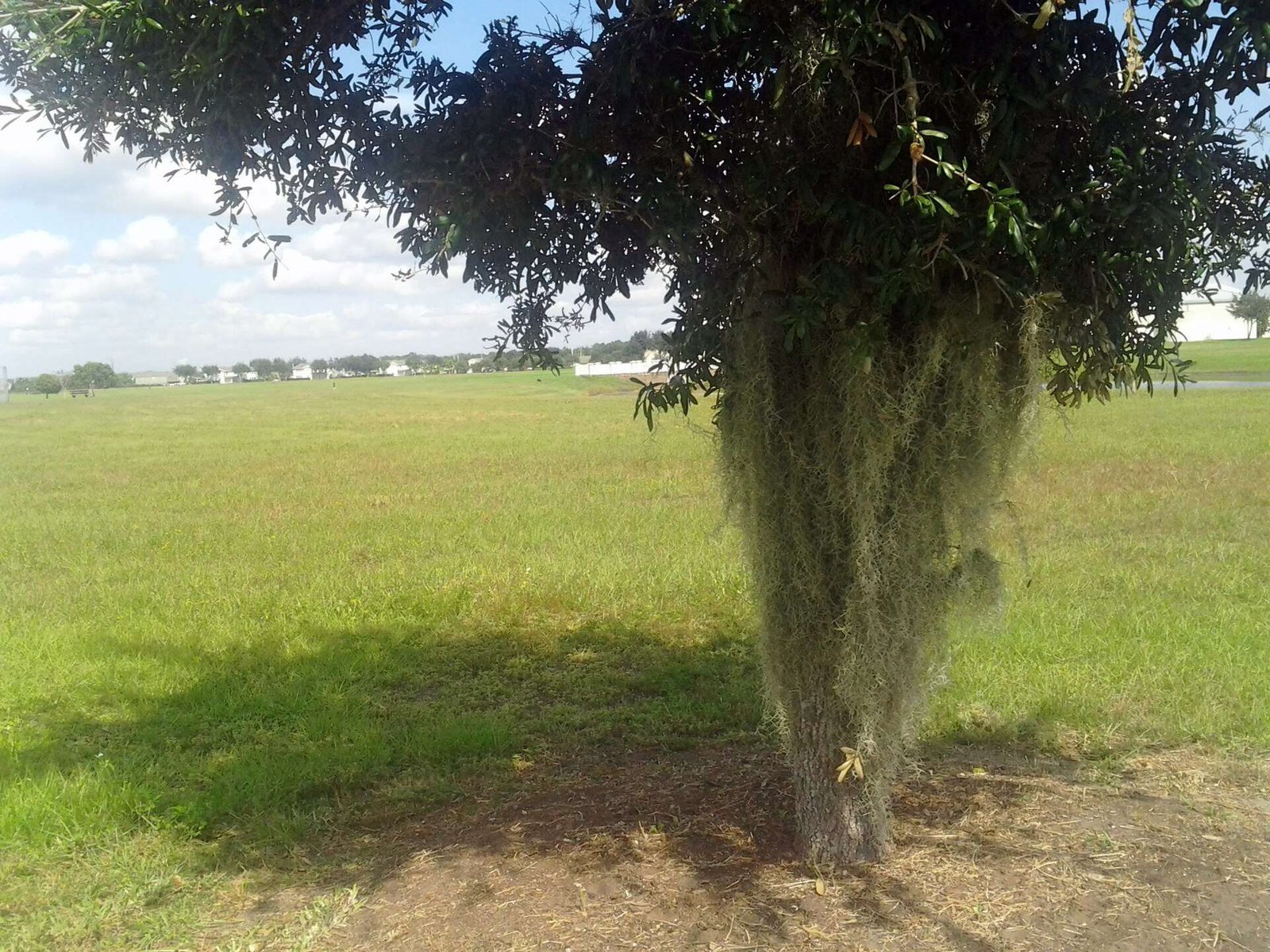
Live oaks get extra protection on undeveloped residential lots, where any live oak of 18 inches DBH or more needs a permit. Mobile’s big live oaks, often draped in Spanish moss, are a big part of the city’s character, which is why the rules exist. If you want to keep yours healthy rather than remove it, see our guide to live oak trimming in Mobile.
How to measure DBH at home
Wrap a tape measure around the trunk about 4.5 feet above the ground. Divide the circumference by 3.14 to get the diameter.
- An 18-inch diameter trunk is about 56.5 inches around.
- An 8-inch diameter trunk is about 25 inches around.
If the trunk splits below 4.5 feet, or the tree grows on a slope, measuring gets trickier. Ask Urban Forestry or your tree service to check it.
Historic districts have stricter rules
Inside a locally designated historic district, the heritage tree threshold drops from 18 inches to 8 inches DBH. That brings many medium-sized oaks, magnolias and sweetgums under the permit rules.
Mobile has several local historic districts, including neighborhoods such as Old Dauphin Way and the Oakleigh Garden District. Don’t guess. The City’s My Place mapping tool lets you search any address in the city to see whether it’s in a historic district.
Commercial property and new development
If a commercial property has a tree or landscape plan approved during earlier development, trimming or removing trees on it needs a permit. Heritage trees on commercial sites also need permits at 18 inches DBH, or 8 inches inside historic districts.
New development and redevelopment must also meet the landscaping and tree standards in the City’s Unified Development Code. Urban Forestry takes part in development and site plan review. If you’re planning land clearing for a commercial project, confirm tree requirements with the City’s planning and permitting staff before any equipment arrives.
How to apply for a City of Mobile tree permit
You apply online, and the fee is $75 per tree. The City caps it at 3 trees for residential property ($225) and 9 trees for commercial property ($675).
The City describes the process like this:
- Go to the Build Mobile Citizen Self Service portal.
- Click “Apply” on the top navigation bar.
- Search for “tree.”
- Choose the right-of-way application or the private property application.
- Click “Apply,” then log in or register. New accounts can take up to 24 hours to be approved.
- Pay the fee online and submit.
After you submit, Urban Forestry inspects the tree, then issues or denies the permit. The City doesn’t publish a set processing time, so apply well before you want the work done. The permit fee is one line in the overall budget. Our tree removal cost guide for Mobile covers the rest.
What about dead, dangerous or storm-damaged trees?
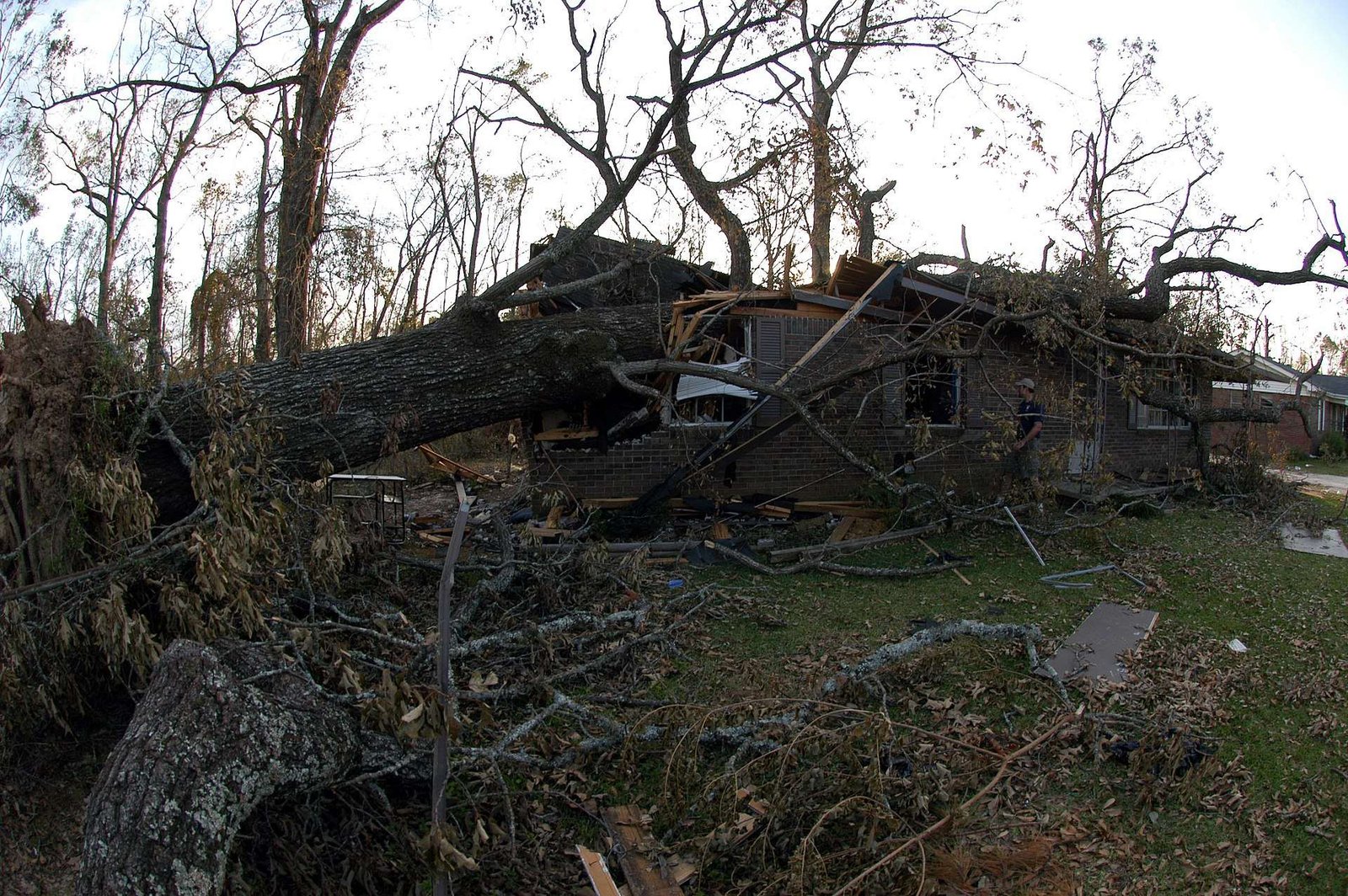
The City’s permit page does not list a separate exemption for dead or storm-damaged trees. So if a protected tree or right-of-way tree is dangerous, contact Urban Forestry rather than assuming a permit isn’t needed.
For a City tree that’s an after-hours emergency, such as a tree blocking a road, the City directs residents to the Mobile Police Department. For a private tree on a developed home lot outside a historic district, you usually don’t need a City permit to remove it. Take clear photos before and during the work in case questions come up later.
Outside the City of Mobile
The City of Mobile’s rules stop at the city limits. Other areas have their own rules, and some have none for private yards.
Unincorporated Mobile County and other cities
If you live in unincorporated Mobile County, such as Theodore, the City of Mobile tree ordinance doesn’t apply. We’re not aware of a countywide permit for removing a tree from a private home lot. Still, check with Mobile County before working near a county road right-of-way.
Saraland, Semmes, Satsuma, Chickasaw and Prichard are separate cities. If you live in one of them, check with your own city hall.
Fairhope and Daphne
On the Eastern Shore, Fairhope and Daphne each have their own tree, landscape and right-of-way rules, and they differ from Mobile’s. Street trees and trees tied to development plans are the most common triggers. Check with the city before cutting. Our pages on tree service in Fairhope and tree service in Daphne cover local details.
HOA rules and deed restrictions
Many Mobile-area subdivisions require HOA or architectural committee approval before you remove a tree. Your covenants may also require a replacement tree.
Read your HOA documents and get approval in writing before the crew arrives. HOA rules apply on top of City rules, not instead of them.
Trees near power lines
Never trim or remove a tree touching a power line yourself. Contact your electric utility first.
Utilities keep clearances along their lines and may handle trees touching main lines. Service drops to your house can be different, so ask the utility who is responsible. Qualified line-clearance work is a specialty, and keeping ordinary crews and equipment away from energized lines is basic safety.
Call Alabama 811 before stump grinding
Contact Alabama 811 before any stump grinding or digging. Grinders cut below the soil surface, and buried gas, water, electric, cable and fiber lines often run near old stumps.
The service is free. Alabama 811 asks you to submit a locate request at least 2 working days before you dig. You can request online or by calling 811. Wait until the lines are marked. Our stump grinding service page explains what happens after the tree comes down.
Not sure if your tree needs a permit?
If you’re not sure, start with the City’s permit page or contact the City of Mobile Urban Forestry department. We can talk through permit questions during a free written estimate for tree removal. Knowing the rules up front helps you avoid fines and delays.
How we write our guides